
Common Appliance Problems in Sudbury Homes
When a washing machine starts leaking in a Sudbury basement laundry area, the water often pools on the concrete floor before anyone upstairs notices. Many of the town's single-family homes have their washer and dryer tucked in a finished or unfinished basement, sometimes at the bottom of a narrow staircase that makes access tight for both homeowners and technicians. That layout shapes the kinds of problems we see most often.
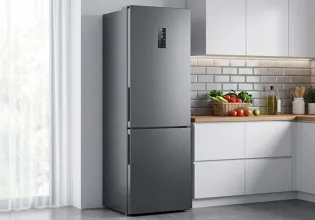
- Refrigerators that stop cooling — often the condenser coils are caked with dust, especially in kitchens where the fridge sits in a tight alcove with poor airflow behind the unit.
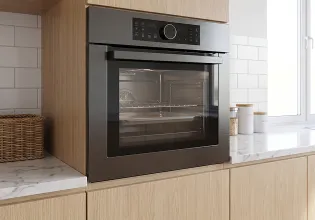
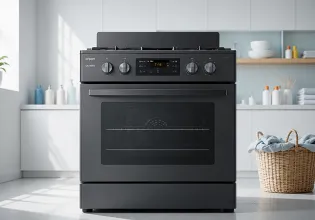
- Gas ovens and stoves that won't ignite or heat unevenly. We usually see this after a burner igniter wears out, though in older Sudbury homes the gas shutoff valve itself can be stiff and partially closed without the homeowner realizing it.
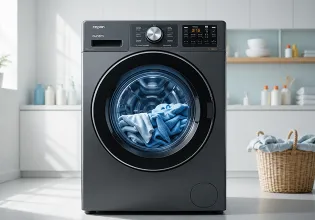
- Washers that won't drain completely, leaving clothes soaked at the end of a cycle. A kinked drain hose behind a basement-installed machine is a common culprit.
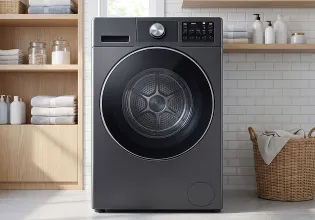
- Dryers running a full cycle without producing heat — worth checking the thermal fuse first, but also worth looking at the vent run, which in many Sudbury basements travels a long horizontal path through an exterior wall before reaching outside air.
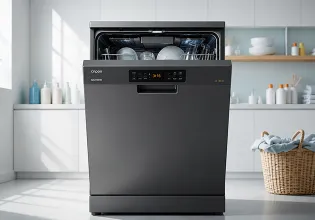
- Dishwashers leaving dishes dirty or standing water in the tub after a cycle, often caused by a clogged filter or a failing drain pump.
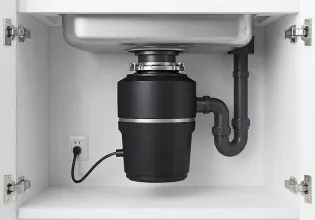
- Garbage disposals that jam or hum without spinning, usually after a bone fragment or piece of hard food wedges the impeller plate.
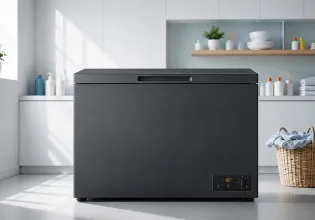
- Freezers building heavy frost on the interior walls, a sign the door gasket has lost its seal or the defrost system has failed.
Local Utility, Permit, Safety, and Disposal Factors in Sudbury
If you're replacing a gas stove or swapping out a dryer that needs a new 240-volt circuit, the work doesn't just involve the appliance itself — it involves the town. Sudbury requires building permits for appliance installations that touch gas lines, electrical wiring, or plumbing connections. Before a contractor hooks up a new gas range, someone has to pull a gas permit through the Sudbury Building Department permit requirements office at 322 Concord Road. That permit can only be pulled by a Massachusetts-licensed plumber or gas fitter, as required under the Massachusetts State Plumbing and Gas Code. Ask the installer to confirm they've pulled the permit before work starts — not after.
Electrical permits apply too. If a new electric dryer needs a dedicated circuit run from the panel, or if a range replacement calls for upgraded wiring, the Building Department has to issue an electrical permit. Plumbing permits cover dishwasher and garbage disposal installations that connect to your home's drain or supply lines. The takeaway: a simple-looking swap can trigger a permit step that delays the job by a day or two if nobody plans ahead.
On the safety side, dryer lint buildup is one of the leading causes of residential fires, and the Sudbury Fire Department home appliance safety guidance highlights cooking appliances and dryers as common fire sources in homes. In a town where so many dryers sit in basements with long vent runs through walls, lint accumulates faster than homeowners expect. If your dryer takes noticeably longer to dry a load than it used to, that's a warning sign — clean the vent before scheduling a repair call.
Sudbury homes with gas stoves, ovens, or gas dryers are required to have working carbon monoxide detectors under the Massachusetts State Fire Code. If you're having a gas appliance serviced or replaced, check that your CO detectors are current. It's an easy thing to overlook.
Dishwashers, washing machines, and garbage disposals all connect directly to the municipal water and sewer system managed by the Sudbury Water and Sewer Division. Water pressure and supply quality from the town system can affect how well these appliances perform over time. If your dishwasher isn't filling properly or your washer's cycle runs long, the issue might not be the machine — it could be a partially closed supply valve or a pressure drop at the tap.
Sudbury Building Department
322 Concord Road
Sudbury, MA 01776
Phone: (978) 639-3387
Official Website
What Makes Appliance Repair in Sudbury Different
Sudbury is a town of predominantly single-family homes, many of them older, spread across wooded residential lots rather than packed into dense blocks. That means appliance jobs here tend to involve basement laundry setups with long dryer vent runs, older gas lines with manual shutoff valves that haven't been turned in years, and kitchens where the original layout leaves barely enough clearance to slide a new refrigerator into place. A technician working in Sudbury needs to plan for access — getting a dead washer up a narrow basement staircase is a different problem than rolling one out of a first-floor laundry closet.
The town's disposal rules also set it apart from neighboring communities. You can't just wheel a broken refrigerator to the curb on trash day. Sudbury classifies large appliances as bulky items that require a scheduled pickup through the DPW, and refrigerators and freezers containing refrigerants need proper handling under state and federal rules before the town will collect them. That extra step makes repair a more practical first choice than replacement when the fix is straightforward — because getting rid of the old unit is its own project.
Appliance Replacement and Household Equipment Considerations in Sudbury
When a repair no longer makes sense — the compressor on a fifteen-year-old refrigerator fails, or a washer's transmission gives out — the next steps in Sudbury involve more than picking out a new model. You need to think about how the old one leaves and what the new one requires to get connected.
Large appliances including refrigerators, freezers, washers, and dryers can't be placed at the curb for regular trash collection. Residents have to schedule a bulky item pickup through the Sudbury DPW bulky item disposal program. Refrigerators and freezers get extra scrutiny because of the refrigerants inside — those have to be handled properly before the town will haul the unit away. Plan this step before the new appliance arrives, or you'll have two refrigerators in your kitchen with nowhere to put the old one.
If the replacement involves a fuel type change — say, switching from an electric range to gas — a licensed gas fitter has to pull a gas permit through the Building Department before the connection is made. The same applies if a new electric dryer needs a dedicated circuit that doesn't exist yet: an electrical permit is required. For dishwashers and garbage disposals, plumbing permits cover the drain and supply line connections. None of this is optional. Ask your installer whether permits are included in their quote, and confirm they hold the right Massachusetts license to pull them.
Massachusetts Consumer Protection Law Chapter 93A also protects Sudbury residents from unfair or deceptive practices in appliance repair and installation. If a service provider misrepresents the work needed or charges for repairs not performed, homeowners can file a complaint with the Attorney General's office.
Sudbury Department of Public Works
275 Old Sudbury Road
Sudbury, MA 01776
Phone: (978) 639-3380
Official Website
Areas We Serve Throughout Sudbury
We provide appliance repair service to homes throughout the Town of Sudbury. The housing stock is mostly single-family, but age and layout vary across different parts of town, and those differences show up in the appliance work we do.
- Sudbury Center — Older colonial and antique homes here often have compact kitchens where a full-size range barely fits between the counter and the wall. Getting a measurement before ordering a replacement saves a lot of trouble.
- South Sudbury — Many homes in this area have basement laundry with dryer vents that run horizontally through foundation walls. Long vent runs like these need regular cleaning to prevent lint buildup and keep dry times reasonable.
- North Sudbury — We often see homes here with gas cooking appliances and older shutoff valves that are stiff or hard to locate. Worth finding the gas shutoff before a technician arrives.
- Route 20 corridor — Homes along and near this stretch tend to be a mix of older and mid-century construction. Electrical panels in some of the older houses may lack a dedicated dryer circuit, which triggers a permit if you're upgrading.
- Wayside Inn area — Properties in this part of town often sit on larger lots with longer driveways. Access is rarely a problem, but the homes themselves tend to be older, with original plumbing that can slow down a dishwasher or garbage disposal installation.
- Haynes Road area — Newer construction and renovated homes here usually have first-floor laundry, which makes washer and dryer access straightforward compared to basement setups elsewhere in town.
- Concord Road area — A mix of older single-family homes where basement laundry is common. Freezer repairs in unheated garages or basements come up more often here during winter months when ambient temperature swings affect the unit's thermostat.
- Maynard Road area — Homes closer to the Maynard border tend to be on the older side. We frequently see refrigerators wedged into tight kitchen openings that were sized for smaller models from decades ago.